

Turnover Reaches $8.78 Billion, but the Wood Industry Faces Dual Challenges
According to a report from the Ministry of Agriculture and Rural Development, the total export turnover of agricultural, forestry, and fishery products in the first 7 months of 2024 reached $34.27 billion, an increase of 18.8%. Notably, wood and forestry product exports brought in $9.41 billion, up 21.1% compared to the same period. Export services have played a crucial role in driving this growth, especially in key markets such as the United States, China, and the EU.
Despite positive results, the wood processing and forestry product industry still faces many challenges in the last 6 months of 2024. The complex global situation, along with new regulations such as the EU’s EUDR and South Korea’s anti-dumping duties, are creating significant pressure for exporting businesses. Logistics companies are making efforts to help businesses meet these new requirements.
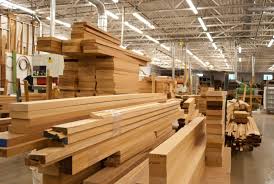
In the first 7 months of 2024, wood and wood product exports brought in $8.78 billion
Mr. Do Xuan Lap, Chairman of the Vietnam Timber and Forest Product Association, warns that market trends contain unsustainable elements. Increased sea freight rates have led to higher prices for raw wood materials, affecting the cost of output products. International shipping services are facing major challenges in optimizing transportation costs.
Mr. Vu Quang Huy, Chairman of the Vietnam Plywood Association, predicts that in the next 3 months, the issue of sea freight rates will continue to heavily impact exports, especially to markets in the United States, EU, North Africa, and India. Cold container shipping is playing an important role in maintaining the quality of wood products during international transportation.
To achieve the export target of $15.2 billion in 2024, the wood industry needs comprehensive solutions. Mr. Tran Quang Bao, Director of the Forestry Department, says they will promote and introduce Vietnam’s wood processing and forestry product industry, attracting and promoting exports through effective organization of fairs and exhibitions. Forwarder companies will play an important role in supporting businesses to participate in these events.
The Ministry of Agriculture and Rural Development will continue to implement policies encouraging the development of large timber, certified sustainable forest management wood, and develop cooperation and linkages in production forest plantation tied to forestry product consumption. The pilot issuance of planting area codes for raw material forests will also be implemented to provide legally sourced wood meeting international market requirements. Cargo transportation services will need to adapt to these changes to support the sustainable development of the wood industry.
In conclusion, Vietnam’s wood industry is facing many challenges but also has opportunities for development. With the support of professional logistics services, appropriate policies from the Government, and businesses’ efforts to improve product quality, the wood industry can overcome difficulties and continue to affirm its position in the international market.




