

Exporting to the Potential Kuwait Market: Overcoming Major Competitors Like India and China
According to the Vietnam Trade Office in Kuwait, this country remains Vietnam’s largest trading partner in the Middle East, with bilateral trade reaching nearly $6 billion in 2023. This presents significant opportunities for Vietnam’s export and logistics industries, particularly in agriculture, seafood, and wood products.
Kuwait offers great potential for Vietnamese goods, largely due to its geographical characteristics. With 82% of its land covered by desert, Kuwait’s agriculture sector is underdeveloped, making it an attractive market for Vietnamese agricultural products. This requires Vietnam’s logistics sector to enhance its capabilities in transporting and preserving agricultural goods, especially in the harsh Middle Eastern climate.
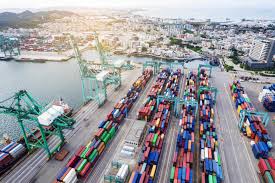
Vietnamese Agricultural Products Have Great Potential in Kuwait
However, the Kuwait market also poses several competitive challenges. China and India have emerged as Vietnam’s main competitors in a variety of products, including garments, wood products, fruits, vegetables, tea, coffee, cashews, spices, and rice. China, with its advantages in volume and pricing, currently holds the top spot for exports to Kuwait. Meanwhile, India benefits from a strong business network and a diverse labor force in Kuwait.
The Ministry of Industry and Trade recommends focusing on promoting agricultural and food products in Kuwait. National trade promotion programs in the GCC (Gulf Cooperation Council) region should be prioritized. This offers opportunities for the logistics sector to develop specialized export support services for the Middle Eastern market.
For businesses, participating in fairs, exhibitions, and direct market surveys in Kuwait is crucial. Kuwaiti traders tend to prefer experiencing goods firsthand, so presenting samples directly or promoting through trade fairs and exhibitions is an effective approach. The logistics sector must be prepared to support businesses in transporting samples and organizing booths at trade promotion events.
The Vietnam Trade Office in Kuwait also emphasized the importance of building trust with customers. Businesses in the GCC region have strong financial capabilities and favor payment methods based on trust. This requires the logistics industry to not only ensure the quality of transportation but also to establish a reputation for timely delivery and good product preservation.
To boost exports to Kuwait, Vietnamese businesses need to actively seek partners through various channels. Participating in fairs and exhibitions in Vietnam or GCC countries, contacting the Trade Office or Embassy of Vietnam in the region, and obtaining information from agencies like the Vietnam Chamber of Commerce and Industry or the Trade Promotion Agency are important steps.
In conclusion, the Kuwait market offers both opportunities and challenges for Vietnam’s export and logistics sectors. By focusing on improving service quality, optimizing supply chains, and supporting businesses in trade promotion activities, the logistics industry can play a key role in boosting exports to this promising market. Direct commercial presence of Vietnamese businesses in Kuwait will be essential for fostering quicker, stronger, and more sustainable market growth in the future.




