

Vietnam’s Chili Export Value Increases by Nearly 32%
According to the Vietnam Pepper and Spice Association (VPSA), Vietnam’s chili exports and international shipping activities in the first nine months of 2024 reached 9,274 tons, generating $22.2 million in export value. This marks a 5.3% increase in volume and a substantial 31.8% rise in value compared to the same period last year. International transport services were concentrated in the Chinese and Laotian markets, which accounted for 33% and 43% of the market share, respectively.
In September 2024, chili exports amounted to 474 tons, valued at $1 million. Logistics companies and transport firms primarily facilitated shipments to Laos (206 tons) and China (154 tons). Despite a 39% decline in volume compared to the previous month, container and international shipping services maintained stable operations.
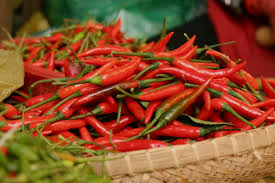
Vietnam’s chili export value increased by nearly 32% compared to the same period last year.
Dong Thap, known as the “largest chili hub in the Mekong Delta,” along with Lang Son, are the primary sourcing regions for export activities. Forwarding companies and export-import service providers are actively connecting these regions with international markets. Dong Thap yields over 22,500 tons of fresh chili annually from nearly 2,000 hectares, while Lang Son produces from more than 1,479.
China remains the main export destination for Vietnamese chili, requiring international shipping services to meet strict quarantine regulations. Since March 2022, fresh chili exports to this market have been required to undergo quarantine processing and hold comprehensive phytosanitary certificates.
To meet the growing market demand, logistics companies and transport firms need to focus on enhancing container shipping quality, particularly with refrigerated containers to preserve fresh chili. Optimizing sea freight rates and international delivery services is essential to increase competitiveness.
As one of the world’s largest chili producers, Vietnam’s logistics sector should continue developing specialized transport solutions to ensure product quality throughout the export process. Expanding the use of technology in supply chain management and domestic container shipping will help improve the efficiency of chili exports to international markets.




