

Chili Exports to Taiwan (China) Market Surge by 640%
Vietnam’s chili export industry is witnessing notable developments in 2024. According to preliminary statistics from the Vietnam Pepper Association (VPA), in the first seven months of the year, total chili exports reached 8,023 tons, an increase of 3.5% compared to the same period in 2023. Export services have played a crucial role in driving this growth, despite a slight decline in July.
The Asian market continues to play a dominant role in Vietnam’s chili exports, with China being the largest market, accounting for 85.2% of total export volume. Strong growth in markets such as Taiwan and Senegal demonstrates the potential for market diversification in this industry. Logistics companies have had to flexibly adjust to meet these diverse transportation needs.
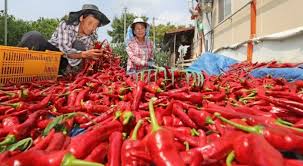
In the first seven months of the year, Taiwan (China) was Vietnam’s fastest-growing chili export market
Chili is a crop with advantages of short growth time and low investment costs, suitable for Vietnamese farmers’ cultivation conditions. With large cultivation areas in the Mekong Delta and Central Highlands provinces, the chili industry has created a significant supply for the export market. International transportation services need to pay attention to the seasonality of this product to plan appropriate shipping schedules.
However, the chili export industry is facing significant challenges from new EU market regulations. The EU’s increased inspection frequency and stricter food safety requirements demand that Vietnamese businesses improve product quality and production processes. Transportation companies need to ensure that shipping processes meet these new standards.
To maintain and expand chili export market share, especially in the EU market, Vietnamese businesses need to focus on improving product quality and meeting food safety requirements. Refrigerated container shipping will play an important role in preserving chili quality during international transportation, especially to distant markets like the EU.
In conclusion, Vietnam’s chili export industry is facing both opportunities and challenges. With the support of professional cargo transportation services and sustainable development strategies, this industry can overcome technical barriers and continue to expand market share in the international market. The combination of efforts to improve product quality, diversify markets, and enhance logistics efficiency will be key for Vietnam’s chili industry to maintain growth momentum in the coming time.




