

China – The Largest Import Market for Vietnam’s Animal Feed and Raw Materials
Vietnam’s animal feed export industry is witnessing notable developments. According to Mr. Pham Kim Dang – Deputy Director of the Department of Livestock Production, the export turnover of animal feed in 2023 reached nearly 1.2 billion USD, an increase of 6% compared to 2022. Export services have played a crucial role in promoting this growth.
China continues to be the largest export market, accounting for 48.3% of the total turnover with 577.41 million USD, an increase of 30.1% compared to the previous year. Following are Cambodia and Malaysia, with growth rates of 1.2% and 28.2% respectively. This growth poses significant challenges for logistics companies in ensuring efficient transportation of goods.
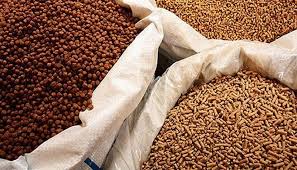
China is the largest import market for Vietnam’s animal feed
Notably, exports to the FTA-RCEP market increased by 15.1%, accounting for 82% of total turnover, while exports to the CPTPP market increased by 9.9%, accounting for 12%. This demonstrates the importance of free trade agreements for the industry. International transportation services need to seize opportunities from these agreements to expand operations, especially in the maritime transport sector.
However, in the first 6 months of 2024, exports of this group of goods recorded a decrease of 5.6% compared to the same period last year, reaching 492.88 million USD. Particularly, exports to China – the largest market – decreased by 16.6%. Transportation companies need to have flexible strategies to cope with this decline, including optimizing container shipping to reduce costs.
Despite the short-term decline, Mr. Pham Kim Dang still believes that Vietnam’s animal feed technology and quality fully meet the requirements of the import market. This opens up positive prospects for the industry in the long term. Forwarding companies will play an important role in supporting businesses to access new markets and ensure product quality during transportation.
In conclusion, Vietnam’s animal feed export industry is facing both opportunities and challenges. Although there is a short-term decline, the long-term outlook remains positive thanks to product quality and free trade agreements. Import and export services need to have flexible strategies to adapt to market fluctuations, while enhancing capabilities to meet increasingly high international standards. The combination of improving product quality, diversifying markets, and optimizing supply chains will be key for this industry to maintain and expand market share in the international market in the coming time.




