

In 8 months, Vietnam imports meat and meat products with a trade deficit of about 970 million USD
According to the General Department of Customs, in the first 8 months of 2024, transportation and logistics companies supported Vietnam in importing nearly 1.08 billion USD worth of meat and meat products, a sharp increase of 20.3% compared to the same period last year. This demonstrates the strong development of international shipping services in the food sector.
Meanwhile, Vietnam’s exports of meat and meat products only reached 105 million USD, resulting in a trade deficit of about 970 million USD. This disparity poses a challenge for export services in balancing the trade balance.
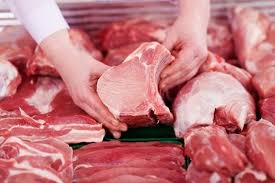
Vietnam is importing meat and meat products from 37 markets worldwide.
Vietnam imports various types of meat from 37 countries and territories, with main supply sources such as India, Russia, Brazil, Germany, Canada, the United States, Spain, and Poland. Freight forwarding companies play a crucial role in coordinating the transportation of goods from these markets.
The price of imported pork from countries like Russia, Brazil, and Canada ranges from 34,100 to 34,200 VND/kg, much lower than domestic prices. This creates opportunities for import services while posing challenges for the domestic livestock industry.
Mr. Pham Kim Dang, Deputy Director of the Department of Livestock Production, said that Vietnam ranks 5th in the world in terms of pig population and 6th in meat production. However, domestic production only meets 95% of consumption needs, creating a demand for sea freight and ocean shipping services to supplement the shortfall.
Per capita pork consumption in Vietnam is gradually increasing, from 30 kg in 2021 to 33.8 kg in 2023. This trend is driving the demand for cargo transportation in the food industry, requiring flexible international shipping services to meet the demand.
Deputy Minister Phung Duc Tien emphasized the important role of pork in the food basket, accounting for 65% of the Consumer Price Index (CPI). This makes the transportation and distribution of pork a crucial area in the logistics industry, requiring professionalism in international shipping services to ensure food quality and safety.




