

Qatar is the Largest Importer of Liquefied Petroleum Gas for Vietnam
According to preliminary statistics from the General Department of Customs, in June 2024, Vietnam imported 292,836 tons of liquefied petroleum gas (LPG), equivalent to nearly 183.44 million USD, with an average price of 626.4 USD per ton. The growth of 7.26% in volume, 8.09% in value, and 0.77% in price compared to May 2024 highlights the crucial role of transportation and logistics companies in efficiently organizing international shipping.
Qatar has become the largest importer of liquefied petroleum gas for Vietnam in the first half of 2024. With 321,903 tons of LPG valued at nearly 193.13 million USD and an average price of 599.96 USD per ton, imports from Qatar have surged by 250.49% in volume and 214.09% in value compared to the same period last year. Key players in coordinating and transporting goods include forwarder companies and professional import services. The maritime transportation system has also been improved to meet the increasing demand from this market.
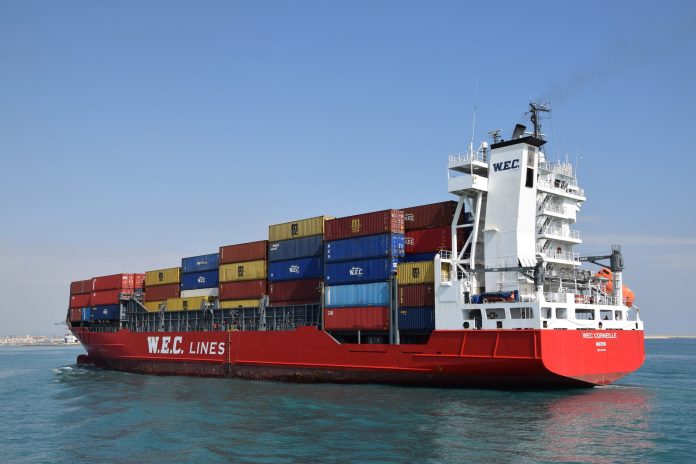
Qatar has become the largest importer of liquefied petroleum gas for Vietnam.
In June 2024, imports from Qatar reached 44,200 tons, equivalent to nearly 27.16 million USD, with a price of 614.42 USD per ton. This represents a 5.48% increase in volume but a 1.8% decrease in value compared to May 2024, with a price drop of 6.91%. In June 2023, Vietnam did not import LPG from this market. Malaysia is the second-largest market, with imports of 241,683 tons, equivalent to nearly 157.77 million USD, with an import price of 652.8 USD per ton. This marks a significant increase of 311.91% in volume, 312.91% in value, and a slight increase of 0.24% in price compared to the first half of 2023. Coordination between transportation companies and import services has facilitated smooth imports from Qatar and Malaysia. Transportation companies have also implemented measures to minimize costs and increase efficiency in the shipping process.
Currently, LPG in Vietnam is primarily used for domestic and industrial purposes such as food processing, paper manufacturing, plastic pellets, explosives, and refrigeration. However, other applications for LPG, such as in petrochemical technology, remain limited. This results in the LPG storage system primarily comprising small terminals, with limited capacity for handling large vessels. For domestic LPG production, the GPP Dinh Co plant and Dung Quat Refinery produce about 750,000 tons annually, meeting approximately 45% of Vietnam’s LPG demand.
According to the Vietnam Gas Association, domestic gas supply is declining (projected to be 7 billion m³ by 2025), while demand is expected to increase significantly, reaching over 20 billion m³ by 2030. Therefore, importing LNG is an inevitable trend to meet market needs. Transportation companies are actively enhancing their capabilities to meet logistics and container shipping demands for this industry.
To meet domestic LPG consumption needs, LPG storage infrastructure must reach approximately 3.5 – 4 million tons per year by 2025 and around 4.5 – 5 million tons per year by 2035, ensuring a minimum storage capacity of over 15 days. Export-import services and transportation companies need to develop robustly to meet these requirements.
In conclusion, the LPG import sector in 2024 has demonstrated the vital role of transportation, logistics, and export-import services in ensuring a stable supply. The close coordination between forwarder companies and international shipping services has optimized the shipping process. To meet the growing demand in the future, upgrading transportation capabilities and improving logistics services will be crucial, contributing to the sustainable development of Vietnam’s energy market.




