

Vietnamese Fruit Festival in China: A Stepping Stone for Expanding Agricultural Trade Cooperation
The Vietnamese Fruit Festival, which opened on September 29, 2024, at the Xin Fadi Agricultural Products Distribution Center in Beijing, has presented a major opportunity not only for Vietnam’s agricultural sector but also for its international transportation industry. The event takes place as part of the celebrations for China’s 75th National Day and has attracted the participation of many Vietnamese agricultural export businesses.
As one of the largest agricultural product consumption markets in the region, Beijing is generating huge demand for logistics services, especially road and sea transportation for fresh products. The Xin Fadi center, which supplies up to 90% of the fruits and vegetables for the city, is opening a significant market opportunity for Vietnamese transportation and logistics companies to expand their presence in China.
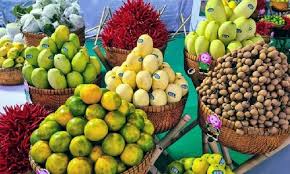
A booth at the Vietnamese Fruit Festival in China
The variety of Vietnamese fruits such as dragon fruit, bananas, mangoes, and watermelons, along with the potential of other fruits like durians, jackfruits, and longans, requires transport companies to be flexible and specialize their services. This presents an opportunity for forwarding companies to develop customized transportation solutions, ensuring the quality of products throughout the journey from Vietnam to China.
With agricultural product transactions at Xin Fadi reaching 15.16 million tons in 2023, the demand for professional overseas shipping services is rising. Vietnamese logistics companies need to seize this opportunity to develop an efficient cross-border transportation network, meeting the increasing demands of the Chinese market.
China’s push to internationalize its agricultural sector and expand cooperation with Southeast Asian countries also creates great opportunities for Vietnam’s transportation industry. Businesses need to prepare to meet the growing transportation demand not only from Vietnam but also from other countries in the region to the Chinese market.
To make the most of this opportunity, the Vietnamese logistics industry needs to focus on improving its capacity for transporting fresh goods, investing in modern cold storage and refrigerated containers. Developing specialized transportation solutions for each type of fruit will help maintain product quality during transit, meeting the stringent requirements of the Chinese market.
Additionally, shipping companies should prioritize building strong partnerships with Chinese counterparts, especially with the Xin Fadi Center. This will help optimize shipping processes, reduce time and costs, and increase the competitiveness of Vietnamese agricultural products in the Chinese market.
In conclusion, the Vietnamese Fruit Festival in Beijing is not only an opportunity to promote products but also opens new horizons for Vietnam’s logistics industry. By seizing this chance and continuously improving services, transportation companies can play a crucial role in boosting agricultural exports and contributing to the sustainable development of Vietnam-China trade relations.




