

Vietnam’s Seafood Export Boom: A Golden Opportunity for the Logistics Industry
According to the latest data from the Vietnam Association of Seafood Exporters and Producers (VASEP), Vietnam’s seafood industry has achieved impressive results in the first nine months of 2024, with export value reaching USD 7.16 billion, an 8.5% increase compared to the same period last year. This strong growth presents significant opportunities for Vietnam’s international logistics sector.
After being impacted by the Covid-19 pandemic and global economic fluctuations, Vietnam’s seafood exports have returned to normal growth, peaking in the third quarter. Export value during this quarter reached USD 2.76 billion, nearly a 13% increase compared to the same period last year. This boom has generated high demand for sea freight services, especially for transporting frozen goods.
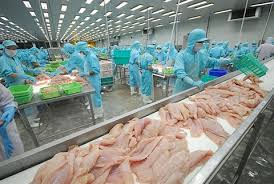
Vietnam’s seafood industry is expected to continue its growth momentum in the second half of 2024.
Key products like pangasius, shrimp, crabs, and shellfish have all recorded impressive growth. Particularly, crab exports rose by 56%, while shellfish exports surged by 95% in the third quarter. This diversity in the export product structure requires transport and logistics companies to be flexible in offering specialized transportation services, especially for fresh and frozen products.
Shrimp remains the highest-earning product, with nearly USD 2.8 billion in export value, a 10.5% increase compared to the same period in 2023. This creates a significant opportunity for international shipping services, particularly in the transportation and preservation of frozen and processed shrimp.
Notably, pangasius exports in the first nine months reached USD 1.46 billion, an 8% increase year-on-year. Among these, processed pangasius products saw a remarkable 42% growth, requiring forwarding companies to enhance their capabilities in transporting and preserving processed goods.
To fully capitalize on the seafood export boom, Vietnam’s logistics sector needs to focus on increasing its capacity to transport frozen goods, especially shrimp and pangasius, while also investing in modern cold storage and refrigerated container systems. Developing fast transportation solutions for live products like crabs is also essential. Additionally, optimizing the shipping process to meet the diverse demands of seafood products and strengthening cooperation with logistics partners in key export markets is crucial.
With seafood export value projected to reach USD 9.5 billion in 2024, a 7% increase from last year, Vietnam’s logistics industry is standing before a golden opportunity for growth and market expansion. By seizing this trend and continuously improving services, shipping companies can not only contribute to boosting seafood exports but also become a vital force in elevating Vietnam’s position in the global seafood market.




