

Vietnam’s shrimp exports to US market decrease by 7%
Vietnam’s shrimp export industry is facing numerous challenges and opportunities in 2024. According to VASEP, as of July 15, 2024, shrimp exports to the US reached $341 million, a 2% increase compared to the same period in 2023. However, this growth trend is uneven as exports in the second quarter decreased by 7% due to high inventory levels in the US and weak purchasing power. Export services are facing major challenges as shipping costs have increased by 40% since May due to rerouting through the Strait of Hormuz.
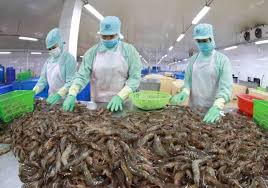
Vietnam’s shrimp exports to US market decrease by 7%
This situation has directly affected export prices, with prices for white leg shrimp and black tiger shrimp to the US trending downward compared to the same period in 2023. The US imported 297,928 tons of shrimp in the first five months of the year, a 1% decrease in volume and an 8% decrease in value. In response, logistics companies are working to optimize transportation costs, while international shipping services are preparing for potential increased demand in the coming period.
Alongside these difficulties, Vietnam’s shrimp industry is also receiving positive signals. US GDP grew by 2.8% in Q2 2024, exceeding forecasts and showing strong recovery. Inflation shows signs of cooling, and the Fed is expected to potentially cut interest rates in September 2024. This could positively impact Vietnamese shrimp exports to the US, especially towards the end of the year when consumption demand increases during the holiday season.
However, the shrimp industry still faces challenges from the DOC’s investigation into shrimp subsidies from Vietnam and other countries. On the other hand, the possibility of the US upgrading Vietnam to market economy status in August and warnings about antibiotics in shrimp from Ecuador and India could create new opportunities. Transport companies need to prepare for potentially high shipping demand, especially for refrigerated containers to ensure product quality.
To respond to the current situation and prepare for the future, businesses need to invest in research and development, improve product quality, and seek new markets. In the long term, Vietnam’s shrimp industry needs to build a comprehensive development strategy, including improving seed quality, enhancing cultivation and processing procedures, building strong brands, and strengthening international cooperation.
With the support of modern freight services and sustainable development strategies, Vietnam’s shrimp industry has a foundation to overcome current challenges, take advantage of new opportunities, and continue to affirm its position in the global market in the coming years.




