

Indonesia Extends Safeguard Duty on Imported EPS Plastic Resin
Indonesia has decided to extend its safeguard measures on imported EPS (Expandable Polystyrene) plastic resin for another three years, from December 23, 2024, to December 22, 2027. This decision follows the completion of an investigation initiated in July 2024 by Indonesia’s Safeguard Committee (KPPI).
According to the Trade Remedies Authority of Vietnam (Ministry of Industry and Trade), the safeguard duty will be applied as a fixed tax on EPS plastic resin products (HS code 39.3.11.10). Specifically:
- First year (23/12/2024 – 22/12/2025): 2,352,478 rupiah/MT
- Second year (23/12/2025 – 22/12/2026): 2,328,473 rupiah/MT
- Third year (23/12/2026 – 22/12/2027): 2,304,468 rupiah/MT
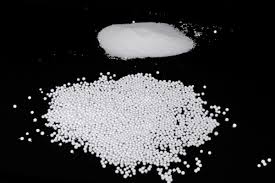
KPPI has announced the extension of safeguard measures on imported EPS plastic resin. Illustration photo
This decision is based on investigation findings from 2021-2023, which show that Indonesia’s domestic industry has not yet recovered from damage despite decreased import volumes. Specifically, domestic revenue declined by 3% and profits fell by 9% during this period.
Notably, Vietnam is not included in the list of developing countries exempted from these measures. This means Vietnamese enterprises exporting EPS plastic resin to Indonesia will be subject to the announced safeguard duties.
For Vietnamese exporters, Indonesia’s extension of safeguard duties poses several challenges in their export operations to this market. Higher export costs due to safeguard duties may affect the competitiveness of products in the Indonesian market. The Trade Remedies Authority recommends that relevant businesses and associations closely monitor the situation, actively adjust production and export plans, and seek alternative markets to diversify exports.
With safeguard measures extending until 2027, Vietnamese businesses need long-term strategies to adapt to the Indonesian market. Enhancing competitiveness and intensifying the search for opportunities in other potential export markets becomes more crucial than ever in the current context.




