

Vietnam’s Seafood Industry Faces Challenges from New US Regulations
Recently, the United States issued a preliminary ruling that does not recognize the comparability of Vietnam’s marine mammal management and conservation measures for 12 seafood harvesting practices. This decision significantly impacts the export of tuna, swordfish, squid, grouper, and crab to the US market from 2026. The situation is prompting international shipping and logistics services to adjust their transportation plans and strategies to ensure compliance with the new requirements.#Vietnam Freight forwarder#freight forwarding#cargo courier service#international shipping companies#shipping service company
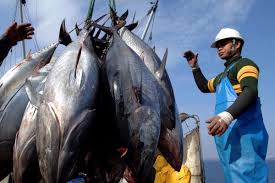
Vietnamese fishermen’s tuna and swordfish fishing practices are facing challenges from US marine mammal protection regulations
At the Q2/2025 fisheries sector task implementation meeting held on March 19, 2025, a VASEP representative reported that seafood export turnover in the first two months of the year reached over $1.4 billion, an 18% increase compared to the same period last year. Shrimp exports reached $532 million, up 26.4%; while pangasius decreased by 6.2%, and tuna slightly decreased by 3.5%. Exports to the United States alone reached $193 million, accounting for 13.8% of total turnover. Logistics companies are now developing alternative plans and seeking new markets to reduce risks from over-dependence on a single market.#Vietnam Freight forwarder#freight forwarding#cargo courier service#international shipping companies#shipping service company
According to the notification from the US National Oceanic and Atmospheric Administration (NOAA), the 12 fishing practices deemed not meeting marine mammal protection requirements include gillnets, purse seines, trawl nets, longlines, and single/paired trawls. The main reason is Vietnam’s inability to demonstrate effective implementation of monitoring measures to limit harm to marine mammals during fishing operations. Many freight service providers have begun studying the new regulations to advise their clients and adjust transportation processes to ensure compliance with international law.#Vietnam Freight forwarder#freight forwarding#cargo courier service#international shipping companies#shipping service company
NOAA requires Vietnam to supplement evidence and implementation progress of management plans by April 1, 2025, with the final conclusion to be announced before November 30, 2025. If not recognized as comparable, seafood products from these fishing practices will be banned from import into the United States from January 1, 2026. In response, many cargo logistics services are adjusting their strategies, diversifying target markets, and seeking alternative solutions for potentially affected products.#freight delivery service#freight and logistics companies#local agent#customs broker#combined truck#crostrade#cfs warehouse#non commercial#cargo#no permit
VASEP has proposed establishing an inter-ministerial task force to review equivalence registration records and develop plans to improve the marine mammal protection management system. Simultaneously, efforts should be made through diplomatic channels to request NOAA for an extension of the document submission deadline and to invite US experts for assistance. Throughout this process, shipping service companies can play an important role by updating information on new requirements and supporting seafood businesses in adjusting packaging and preservation processes according to international standards.#freight delivery service#freight and logistics companies#local agent#customs broker#combined truck#crostrade#cfs warehouse#non commercial#cargo#no permit
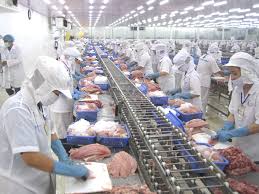
Vietnamese seafood exporters need to elevate their harvesting and processing standards to meet new international market regulations
Besides challenges from the United States, Vietnam’s seafood industry will welcome many international inspection delegations in 2025. In 2024, Vietnam hosted five inspection teams from the EU, Japan, Canada, South Korea, and Indonesia, with the EU acknowledging Vietnam’s compliance with residue control regulations. This year, China is expected to send a delegation to Vietnam in June to assess the seafood food safety control system. This requires freight forwarding services to raise standards regarding temperature, humidity, and other preservation conditions to ensure product quality throughout the transportation process.#logistic service#freight and logistics services#logistic service#freight and logistics services#logistics companies#shipping international#vietnam cfs
Although seafood exports in the first three months of 2025 are considered promising, the industry needs to prioritize addressing marine mammal conservation issues and improving the legal system for sustainable development. Global transport companies with extensive international networks and experience can support the seafood industry by providing updated information on new regulations in export markets, while introducing advanced logistics solutions to optimize supply chains and ensure compliance with international standards.#logistic service#freight and logistics services#logistic service#freight and logistics services#logistics companies#shipping international#vietnam cfs
Please don’t hesitate to contact if you have anymore questions!
Mr. Jimmy
General Manager TPG
(+84)-(0)903917505




